How to Make Your Makeup Last All Day (No, Really)
May 13, 2026
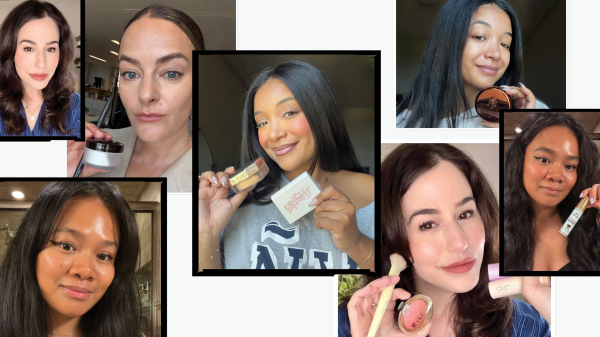
 Source Images: Allure staffSave this storySave this story
Who among us hasn’t left the house feeling like their makeup looks flawless, only to catch their reflection a few hours later and wonder where half of it went? Between heat, normal facial movements, skin type, and stress-induced face-touching, keeping makeup in place and looking just as fresh as when you applied it can feel like a full-blown side hustle—but without the money.
Fortunately, creating a truly long-lasting, sweat-proof makeup look isn't about piling on more products. It's about using the right techniques from the very beginning. In fact, some of the most effective tricks happen before you apply your foundation. The timing of your skin-care routine, the way you use (or don’t use) primer, how you apply powder, and even what you do before filling in your brows can make a surprisingly big difference in how well your makeup holds up.
To separate fact from fiction in the quest for long-lasting makeup, we asked professional makeup artists Katie Jane Hughes, Karol Rodriguez, and Jenny Patinkin to share the tips they rely on when they need makeup to withstand hours under hot lights, in front of the camera, or just existing in the real world. Ahead, discover their best advice for making your makeup stay put, from strategic layering techniques to inevitable touch-up tricks that can help keep everything unwavering from morning to night.
Don’t jump into makeup immediately after skin care
Being in a rush and having your makeup last are not reconcilable, especially when it comes to timing your makeup application to your skin care. It’s an absolute must to put some space between the last step in your skin-care routine and the first step of your makeup routine. “It’s best to let your skin care dry down a little bit before moving on to makeup,” says Patinkin. Hughes agrees, telling Allure you should wait five to seven minutes, “then go on with a complexion product.”
You’ll know it’s time when your skin doesn’t feel slick anymore. “I have dry skin, so I like to go in with a thicker moisturizer,” Rodriguez says. “When I can tap my cheek, and it's no longer wet—just bouncy—that's when I know I'm ready for makeup.”
Use as little product as possible
Is “less is more” a cliché? Yes. Is that because it’s true? Also, yes, especially when it comes to makeup and the skin care you’re applying before it. “Don't overdo skin care because too much is detrimental to your makeup,” Hughes says.
Our pros unanimously agree. Rodriguez says resist the urge to do a full "12-step Korean skin care routine" before starting your makeup. “You're making a little mess.” Instead, they say, use minimal product all the way up to your powder.
Patinkin always tells her clients, the thinner the layer, the longer the wear. “Definitely use a light hand, apply as little product as you can get away with, and you don’t have to apply makeup on every surface of your face—especially those areas that are prone to getting sweaty, like the sides of the nose and the upper lip.”
Foundation primer is optional—unless you’re oily or sweat-prone
Allure social media manager Bianca Richards applying Danessa Myricks Yummy Skin Blurring Balm Powder before base makeupCourtesy of subject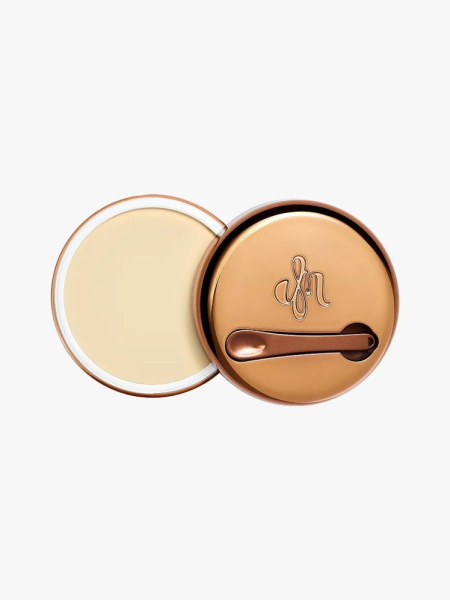 Save to wishlist
Danessa Myricks
Yummy Skin Blurring Balm Powder Universal
Sephora
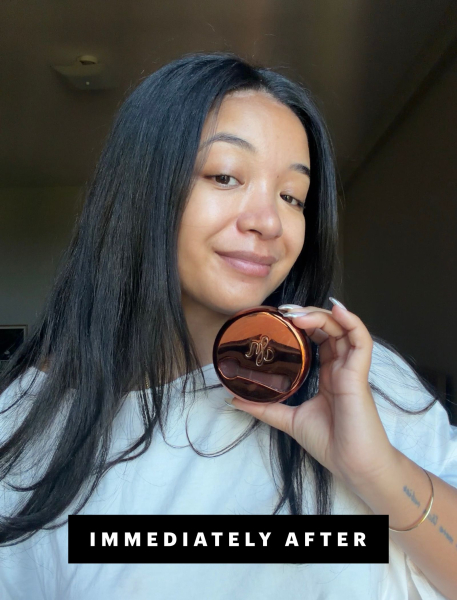 Richards immediately after applying Danessa Myricks Yummy Skin Blurring Balm Powder under her base makeupCourtesy of subject
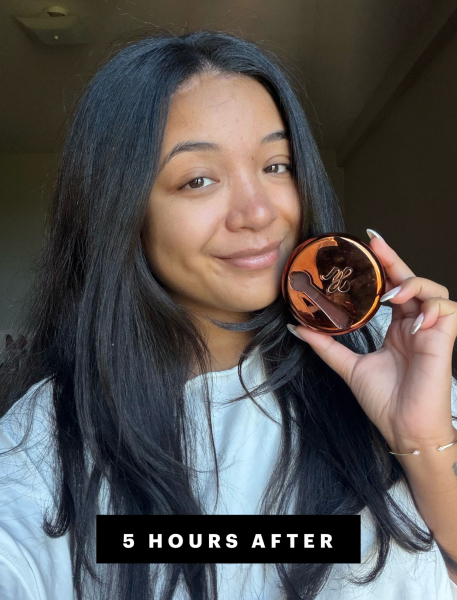 Richards five hours after base makeup applicationCourtesy of subject
Patinkin says she’s not a big primer person, noting that the aforementioned thin layers of skin care can have just as much of an impact on the longevity of your makeup.
Although Rodriguez doesn’t insist on primer either, they do acknowledge how helpful it can be if you’re working with oily skin or you tend to get sweaty. For very oily skin, they recommend Danessa Myricks Yummy Skin Blurring Balm Powder Universal, which Bianca Richards, Allure's social media manager, routinely uses for her combination skin.
Eye shadow primer, on the other hand, is not optional
Allure senior editor Jesa Marie Calaor applying eye primer before shimmering shadow and liquid linerCourtesy of subject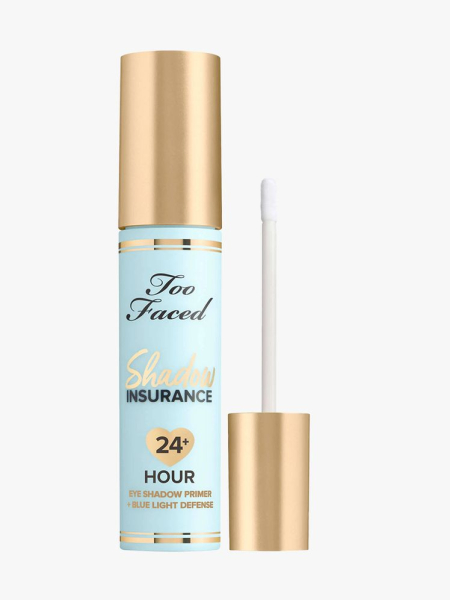 Save to wishlist
Too Faced
Shadow Insurance 24-Hour Eyeshadow Primer
Amazon
Nordstrom
Ulta Beauty
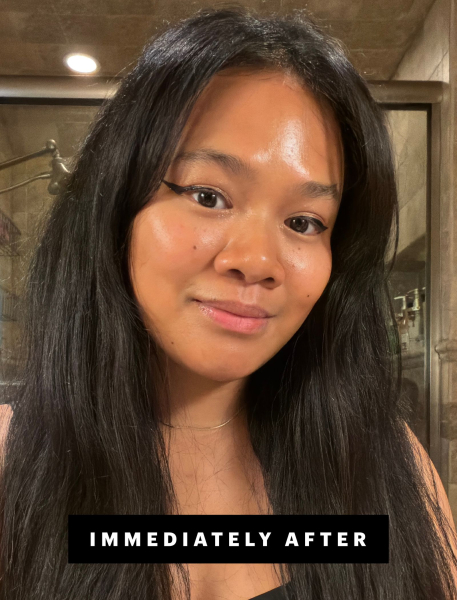 Calaor immediately after applicationCourtesy of subject
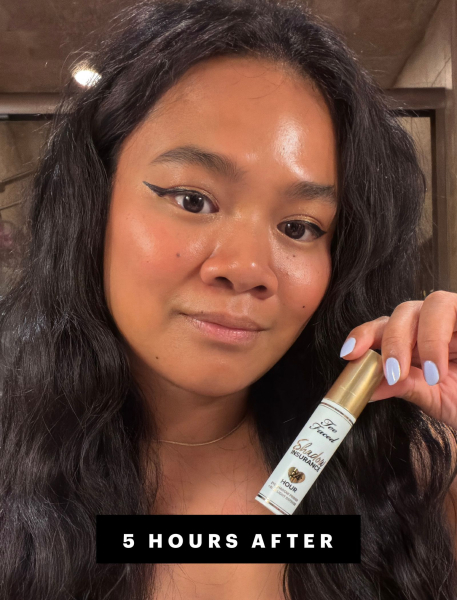 Calaor five hours after applicationCourtesy of subject
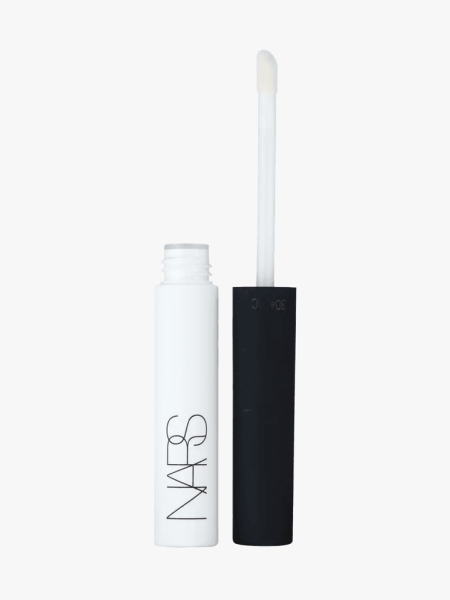
“If you’re wearing powder eye shadow, eyelid primer is a must,” Patinkin insists, saying that it creates a smooth layer that prevents the sebum that’s naturally present on your lid from disturbing the shadow. She happens to love Nars Pro-Prime Smudge Proof Eyeshadow Base.
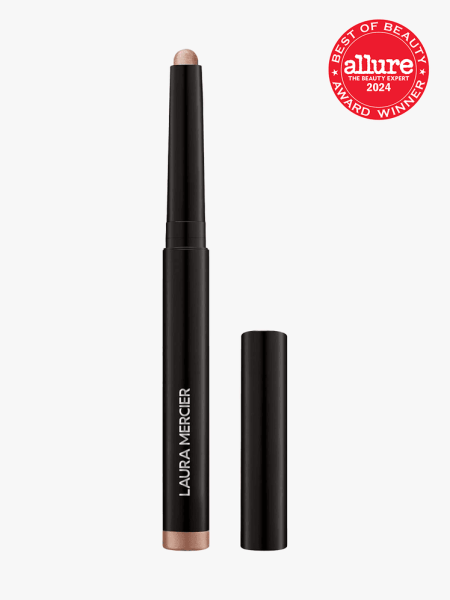
But you don’t necessarily have to use something specifically indicated as an eye shadow primer to make your look last. Hughes and Rodriguez are fans of simply applying some powder to your lids before going in with shadow. “The best eye shadow primer is just a bit of setting powder to neutralize the base and make it not sticky,” Hughes says. “But if you need more longevity than that, I would say go in with a Laura Mercier Caviar Stick, put some setting powder over the top once you’re done blending it, and then go in with your powder eye shadow for a really bulletproof eye.”
 Save to wishlist
Nars
Pro-Prime Smudge Proof Eyeshadow Base
Nordstrom
Sephora
 Save to wishlist
Laura Mercier
Caviar Stick
Amazon
Nordstrom
Sephora
Jesa Marie Calaor, Allure’s senior editor, considers primer essential for all eye looks, especially if you have oily lids. She considers Too Faced Shadow Insurance 24-Hour Eyeshadow Primer “ol’ reliable.” “My lids will eat anything you lay on top of them, and this primer not only prevents that from happening, but it also keeps my eye makeup looking vivid for hours.”
Double up on powder
Richards applying loose and pressed powdersCourtesy of subject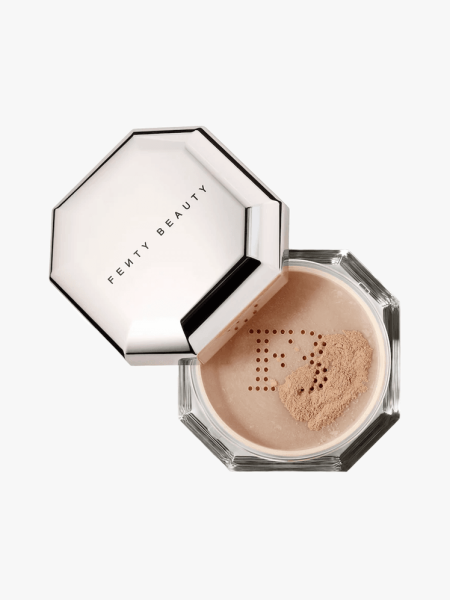 Save to wishlist
Fenty Beauty
Fenty Beauty by Rihanna Pro Filt'r Instant Retouch Setting Powder
Ulta Beauty
Sephora
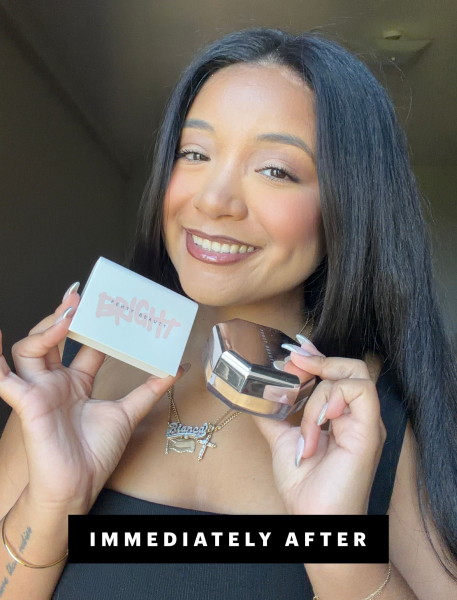 Richards immediately after applying loose and pressed powdersCourtesy of subject
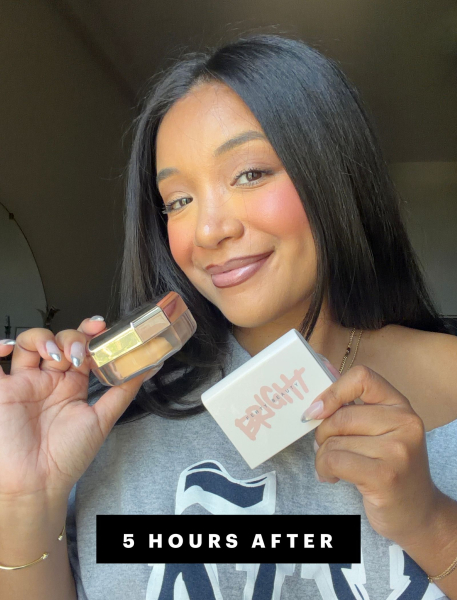 Richards five hours after applicationCourtesy of subject
Powder is arguably the most important element of long-lasting makeup. (“It's your best friend,” says Rodriguez.) If you’ve ever wondered which is going to help your makeup last longer—pressed or loose—the answer may surprise you: both—together.
Rodriguez recommends using a loose powder (like the Makeup by Mario SurrealSkin Soft Blur Setting Powder) first, before adding your pressed powder (like the Charlotte Tilbury Airbrush Flawless Finish) when setting your face.
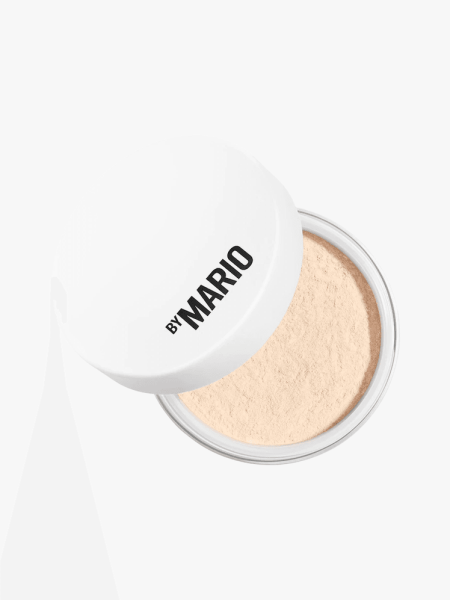 Save to wishlist
Makeup by Mario
SurrealSkin Soft Blur Setting Powder
Sephora
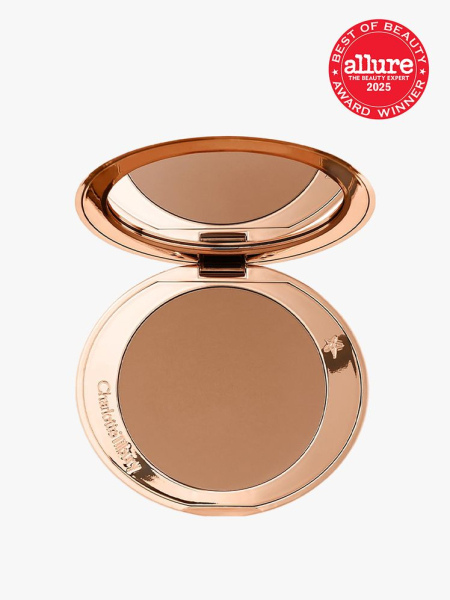 Save to wishlist
Charlotte Tilbury
Airbrush Bronzer
Amazon
Nordstrom
Ulta Beauty
Richards also doubles up on powder (both by Fenty Beauty), but she has her own method with an extra step. First, she sets her entire face with powder. She then spritzes on setting spray before patting on a pressed powder.
When it comes to this tip, do you, but be careful not to overdo it with any of your products. While using both types of powder can prevent eye makeup from budging, excess pressed powder can cause the finish to look cakey and broken up, Rodriguez says.
Don’t sweep on your powder—press it in
Allure contributing editor Marci Robin applying powderCourtesy of subject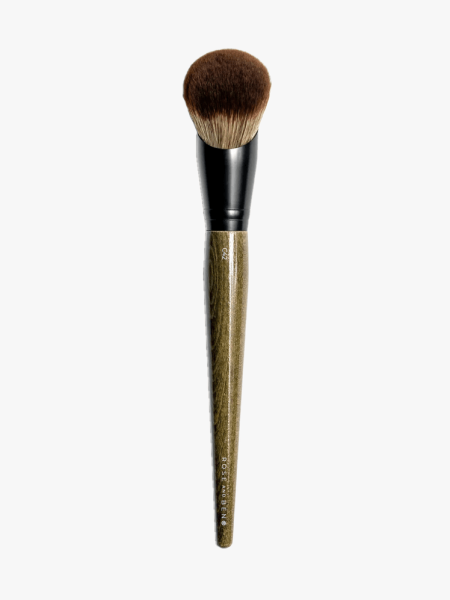 Save to wishlist
Rose & Ben
C42 Brush
Amazon
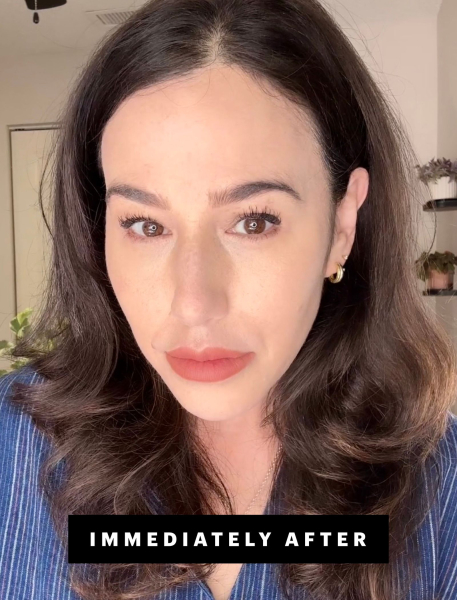 Robin immediately after applying powderCourtesy of subject
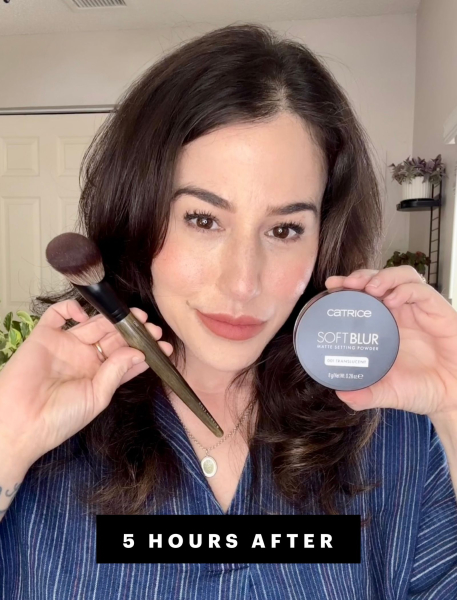 Robin five hours after applicationCourtesy of subject
How you apply powder is just as important as the powder itself, and it can mean the difference between a makeup look that lasts and a long-lasting makeup calamity. “Pressing it into your skin instead of sweeping it on top of your skin is more beneficial for longevity,” Patinkin says.
Hughes, who loves using powder foundation as a setting powder, agrees and recommends pressing it in with a puff or brush. “When I say ‘press,’ I mean really blot it. Blot it on like you would use a blotting sheet,” she says. That technique ensures the most staying power.
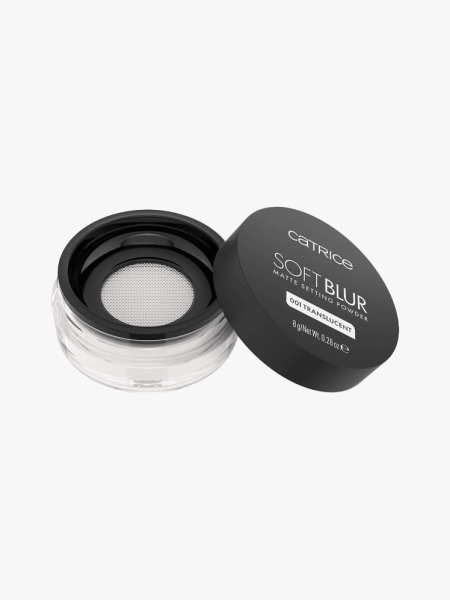
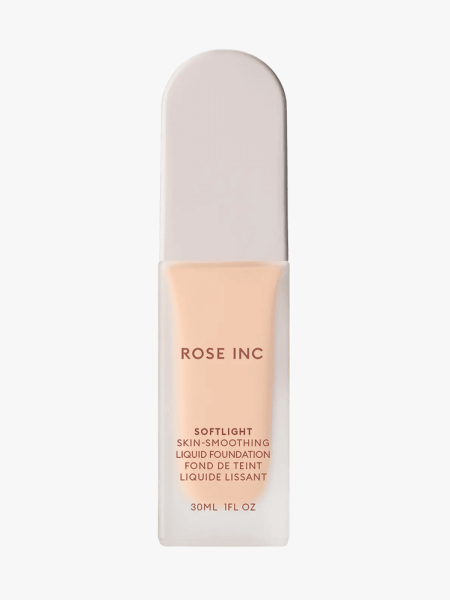
I tried this technique with the Rose & Ben C42 Brush and Catrice Soft Blur Matte Setting Powder over Rose Inc. Softlight Skin-Smoothing Liquid Foundation and was pleasantly surprised to find very little shine hours later, though I think a puff may ensure even less change over the course of the day.
 Save to wishlist
Catrice Cosmetics
Soft Blur Matte Setting Powder
Amazon
 Save to wishlist
Rose Inc
Softlight Skin-Smoothing Liquid Foundation
Nordstrom
Sandwich your powder or setting spray
Allure content director Sophie Panych “sandwiching” her setting powderCourtesy of subject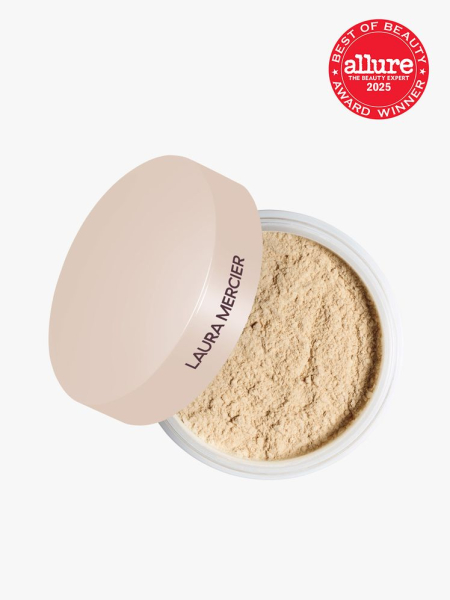 Save to wishlist
Laura Mercier
Translucent Loose Powder
Amazon
Nordstrom
Sephora
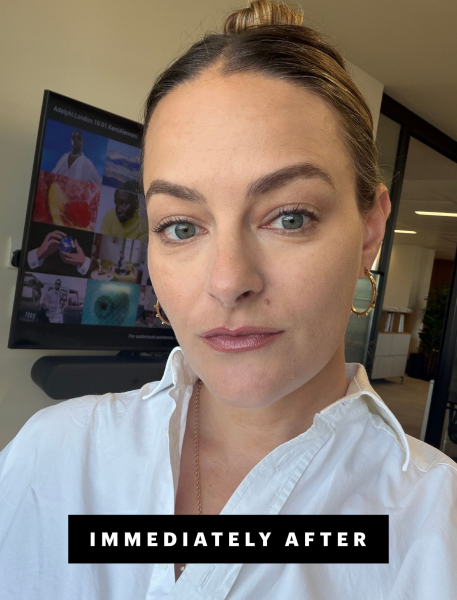 Panych immediately after using the “powder-sandwiching” techniqueCourtesy of subject
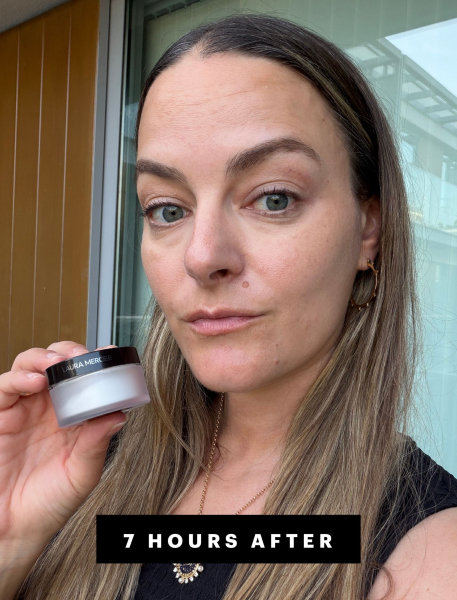 Panych seven hours after applicationCourtesy of subject
Of course, you’re going to set your foundation and concealer with powder and/or setting spray, but have you considered a sandwiching technique? “I will use loose powder before foundation,” says Rodriguez, who likes this technique especially for oily skin. “That way, your oils have to go through the loose powder first before breaking through the foundation.”
Just make sure that you don’t put powder on top of sweat. “You never want to powder on top of something wet,” Rodriguez says. “It's just gonna make the powder look darker.” You know how getting a pan of pigment wet makes it look darker? Same concept.
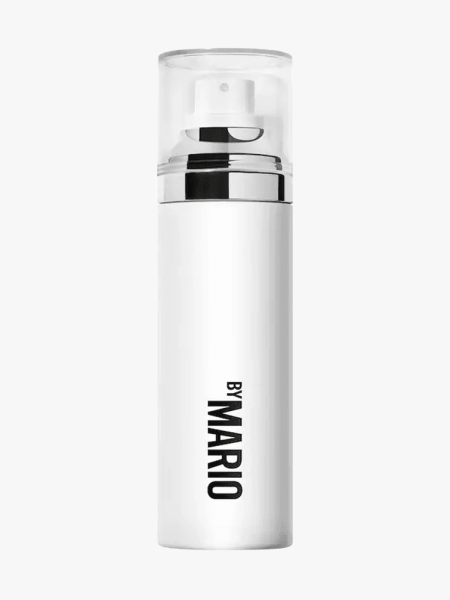
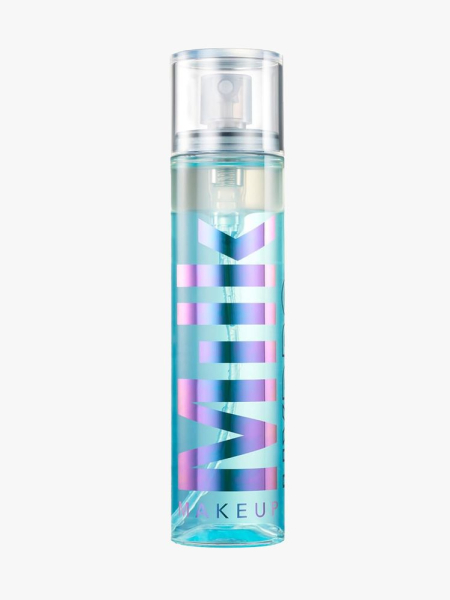
The same sandwiching technique works for setting spray, too. “It’s a great trick to apply a setting spray before you start applying your makeup as well as after applying,” says Patinkin. The options are endless with formulas for every skin type and desired finish, but Rodriguez names Makeup by Mario SurrealSkin Soft Setting Spray and Milk Hydro Grip Setting Spray as fantastic picks for everyone.
 Save to wishlist
Makeup by Mario
SurrealSkin Soft Setting Spray
Sephora
 Save to wishlist
Milk Makeup
Hydro Grip Setting Spray
Amazon
Sephora
Ulta Beauty
Allure content director Sophia Panych put this tip to the test with the Laura Mercier Translucent Loose Powder and Pat McGrath Labs Skin Fetish: Sublime Perfection Foundation during the recent London heat wave. Seven hours later, she found that her foundation still had coverage. “I’m a face toucher,” she admits, which might have had something to do with the fading. In addition to resisting the urge to touch your cheeks, she advises steering clear of a hydrating foundation, which is more prone to slipping than other formulas.
Layer your cream and powder blush
Robin layering cream and powder blushCourtesy of subject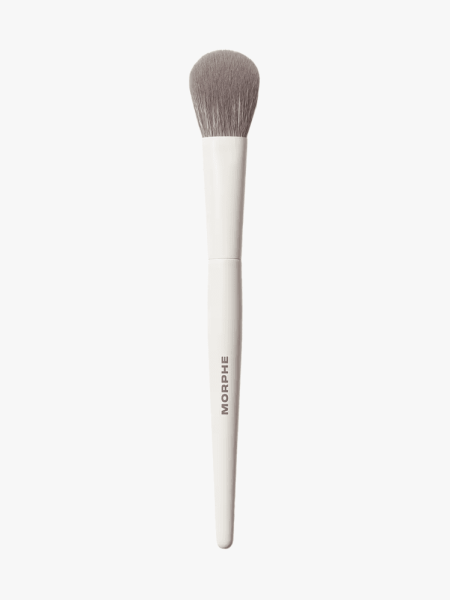 Save to wishlist
Morphe
M202 Slanted Blush Brush
Ulta Beauty
 Robin immediately after layering cream and powder blushCourtesy of subject
 Robin five hours after applicationCourtesy of subject
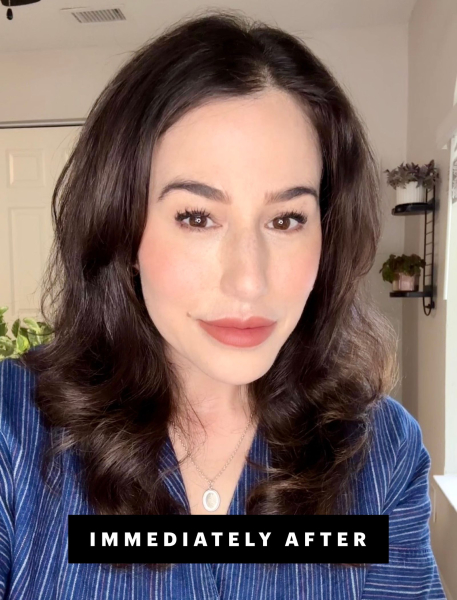
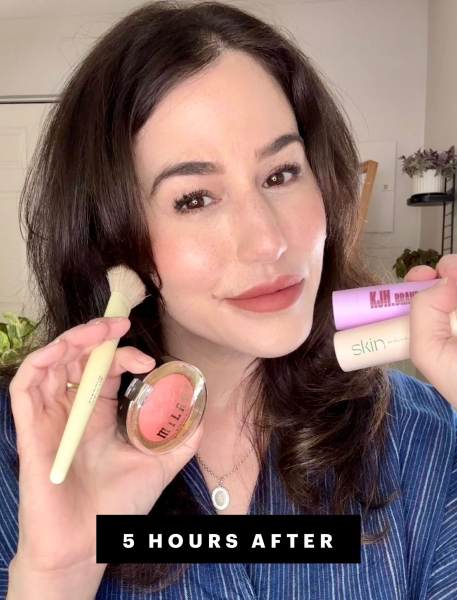
Patinkin is excited to see how many cream blushes these days have sophisticated formulations that allow for long wear time without sinking into the skin or sliding off. Hughes’s own KJH.brand Soft Smudge Lip & Cheek is a perfect example, and I personally love how long it lasts on its own. That said, layering a powder blush on top of a non-dewy cream blush means flushed cheeks that stay flushed all day long.
“It can be helpful to layer powder on top of cream, but you’ve got to use a very light, fluffy brush and a very light touch so that you don’t get patchiness or streaking,” says Patinkin, who recommends her namesake Jenny Patinkin Luxury Sustainable Cheek Brush for the job. We also love the Allure Best of Beauty Award-winning Jones Road The Blush Brush, which we’ve found never deposits too much pigment and allows you to build color with control.
ArrowArrow
I used the Morphe M202 Slanted Blush Brush to apply Milani Baked Blush atop the KJH Soft Smudge (pressing on first, followed by blending), and while that seemed a bit intense at first, I successfully avoided the dreaded color fade that so often leaves me looking dreary in the afternoon.
Prep your brows with alcohol
Calaor prepping her brows with alcohol and filling them in with pencilCourtesy of subject
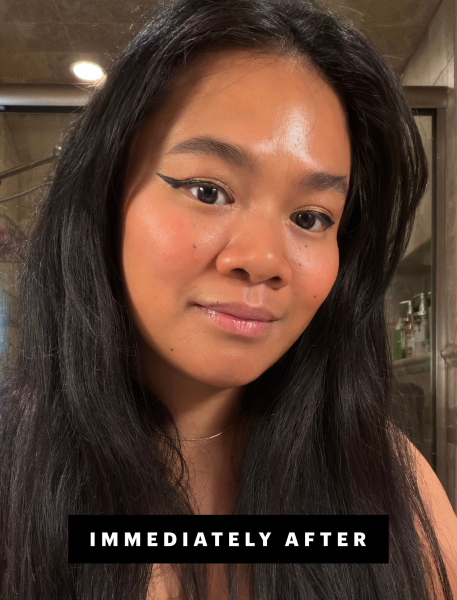
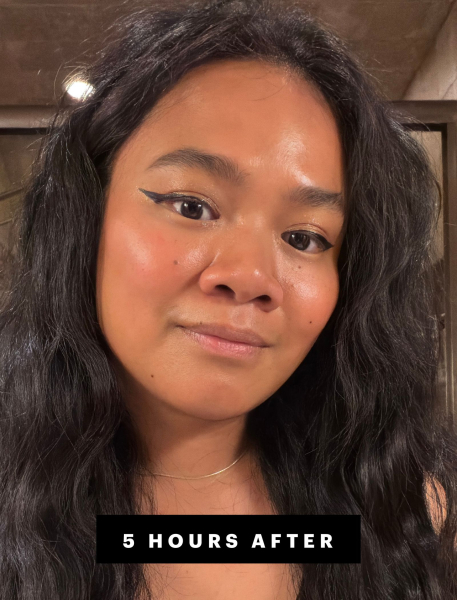
Sweat comes for us all—brows included. But whether your brow product of choice is a pencil, gel, powder, or a combination, there’s one trick that makes all the difference between staying filled in and disappearing into the night. Rodriguez recommends moistening a cotton swab with 70% rubbing alcohol and running it not just through brow hairs but also onto the skin on the brow bone. “That way, you're prepping the brow and the skin underneath, getting rid of all the excess skin care and anything that could have been accumulating, like sweat, so that your brow product works like it’s supposed to.”
Calaor, who has sensitive, dry skin, used a pad saturated with 70% alcohol and found it worked wonders at keeping her brows from fading in the summer heat. “I’d only do this on occasions I need my makeup to stay in place for an extended period of time,” she says, concerned about drying out the area.
 Calaor immediately after applying her brows with pencilCourtesy of subject
 Calaor five hours after applicationCourtesy of subject
Jenna Queller, MD, a board-certified dermatologist in Boca Raton, Florida, validates those concerns. “In general, using a small amount of isopropyl alcohol on the eyebrow area before applying brow products is unlikely to cause problems for most people if done only occasionally,” she says, as it can strip skin’s natural oils and disrupt the skin barrier over time. If you have sensitive skin or underlying conditions like rosacea or atopic dermatitis, she says you may want to try this trick with micellar water to remove excess oil instead.
Lock in your lip liner
Panych locking in her lip liner and color with powderCourtesy of subject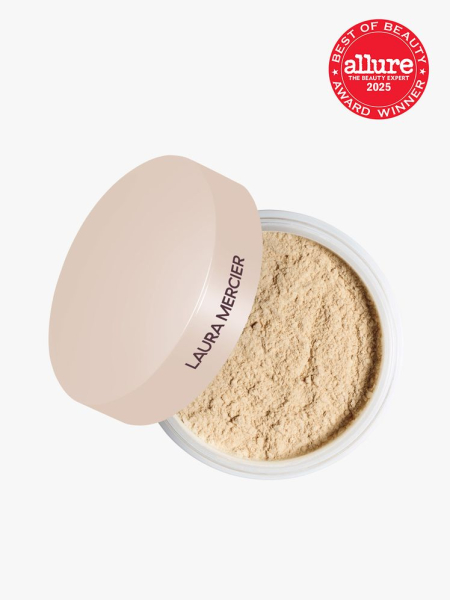 Save to wishlist
Best Loose Powder
Laura Mercier Translucent Loose Talc-Free Setting Powder Ultra-Blur
Amazon
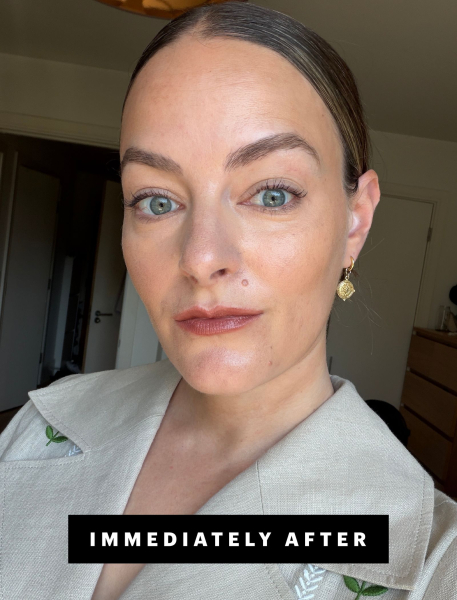 Panych immediately after applying lip colorCourtesy of subject
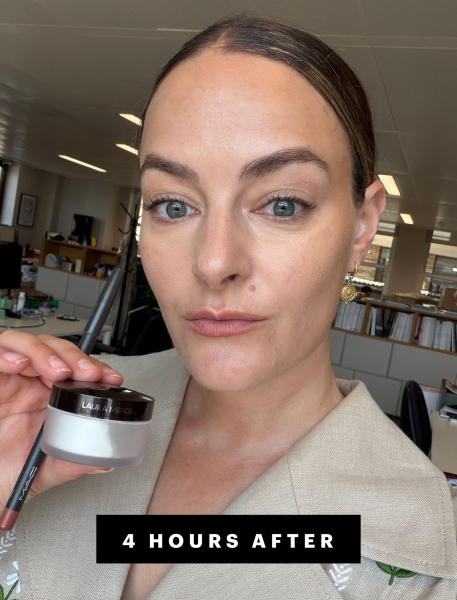 Panych four hours after applicationCourtesy of subject
Unless you literally don’t move your mouth at all, you should just accept that you’ll need to retouch your lips, Hughes says. But that doesn’t mean you can’t give yourself an advantage during the application process.“
A little bit of powder over any lip liner or lip contour does a really good job of locking in that first base, therefore making everything that you put on after that last longer,” says Hughes, who recommends putting a bit of powder over your lip liner. “That will dry the perimeter of the mouth a little, making that area last longer.”
Rodriguez says to save some of that powder for your lipstick, too. “I'll use my powder to set my lipstick just to give it a little bit more transfer-proof quality,” they say. But keep your expectations realistic, especially if you’ll be eating or drinking.
Panych has been using this tip for dance performances for years. “I always found that it helped keep lip liner and lipstick on despite all the smiling and sweating and costume changing,” she says. “But, as the makeup artists said, if you're eating and drinking, there is a reality to how long your lip liner and lipstick are going to last.”
To test the technique out for this story, she used MAC Lip Pencil in Beige-Turner, Laura Mercier Translucent Loose Powder, and Chantecaille Lip Crème. “After two hours, the lipstick had faded, but my lip liner was still firmly in place,” she says. Four hours later, after lunch, the lipstick was completely gone, and the lip liner had faded. “It is definitely still there, and the outline of my lips definitely remains.”